
0·
2 天前Alleging widespread financial fraud?! How absurd! And to prove just how absurd it is, I will namedrop the infamous financial fraud from the industry full of exactly the same people. Checkmate atheists
Alleging widespread financial fraud?! How absurd! And to prove just how absurd it is, I will namedrop the infamous financial fraud from the industry full of exactly the same people. Checkmate atheists
Precious awful.systems thread about her being maybe also Yud’s coauthor on the BDSM eugenics fanfic written as an impenetrable mass of forum posts:
The singularity of manosphere chud lingo and CEO babble… angels and ministers of grace defend us.
“I use AI sparingly for” is the new “I only do meth before my hookups for unprotected sex with strangers”.
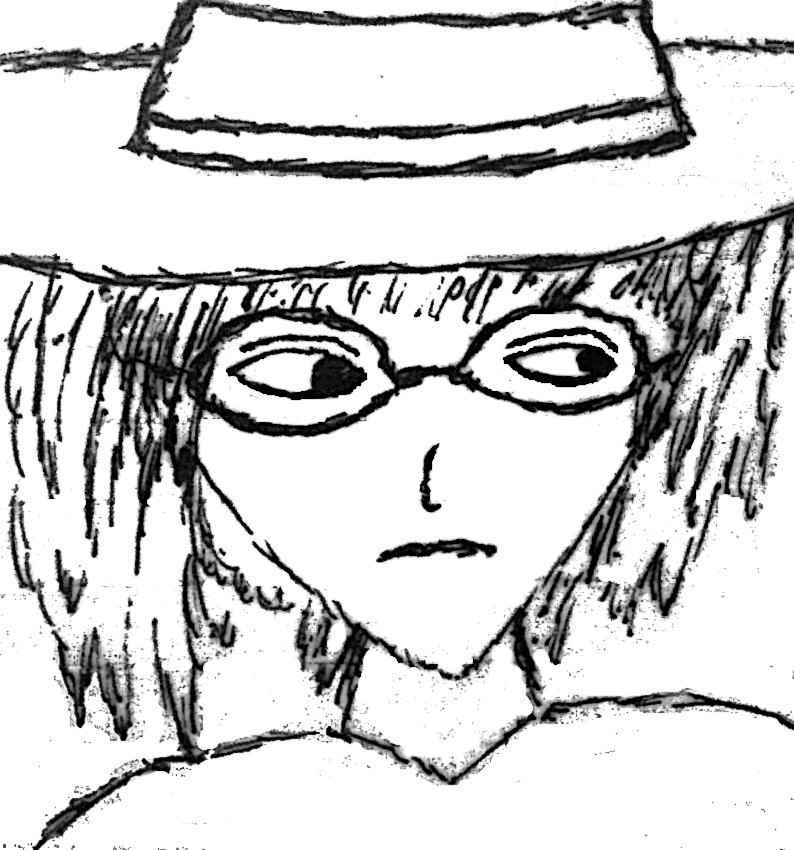
I feel a bit regretful sometimes that none of my copious fanfic output has inspired anyone to draw fanart. But at least no one has gotten weird about it, either.
Ziz has always had a tendency to express her ideas through metaphors in fiction that are familiar to her. We spoke at length about Contessa and Doctor Mother from Worm; the Wardens from World of Warcraft; Frisk, Sans, and especially Undyne from Undertale; Tassadar from Starcraft; Harry and Dumbledore from HPMOR; Iji.
Does “read a second book” apply here, or is this a “read a first book” situation?
He showed up at my blog to talk math back in the ancient days when I had a comment section. And he’s active on Mastodon a fair bit.
This is a serious blow to coolness, from which not even drugs will easily recover.
When we’re all too tired for “let them fight”.
New random positivity thread:
The third derivative… ah yes, the jerk
The Golgafrinchans shipped off the B Ark and then died of a plague (book 2). The Shoe Event Horizon happened on Brontitall (radio series) or Frogstar World B (book 2).
And it’s not like Orwell wrote a book about talking animals that is required reading in schools across the land.
Impenetrable layers of posts for which the prequisites include a BFSM fanfic, written in the style of forum threads, based on an offshoot of Homework: The Game.
Ah, so it’s Mythos that will create the nanobotsdiamondoid bacteria
It would be beneath my dignity as a childhood reader of Heinlein and Orwell
Life is too short to be that pompous
There is no cost-cutting in Ba Sing Se
All their doom scenarios are made-up sci-fi bullshit, so of course they have free rein to pontificate about the right and wrong ways to prevent them. And because they are high on their own sci-fi, they downplay or neglect or misunderstand the real harms of the rising slop sea. Consequently, they fail to grasp the real social reaction to acts of violence.




Every day, new cursed text. That’s the awful.systems promise!